

Doctors are human beings. It should not, therefore, surprise us that they respond to incentives like the profit motive. In and of itself, that is not a bad thing. What can be bad, however, is when the profit motive causes doctors to make treatment or testing recommendations with their own financial self-interest in mind as opposed to the health needs of their patients. It is also bad when the profit motive prompts doctors to order tests which present may no risks to their patients but which are of questionable value and which drive up medical costs for all of us. Runaway health care costs are important, not only because they make care more expensive for all of us and drive deficit spending by the government, but also because the medical profession likes to blame medical malpractice claims for much of the increase in medical spending. As seems to happen every time someone actually looks into the matter, the finger points directly back at the medical profession.
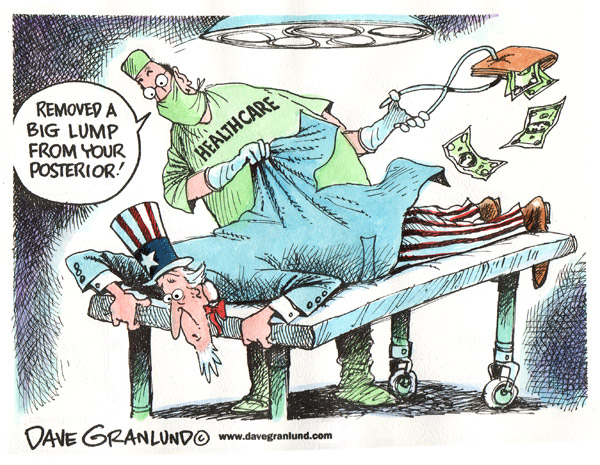
The latest example is found in an article which recently appeared in the Wall Street Journal. The Journal has an ongoing project in which its reporters examine Medicare data for trends and examples of abuse. In the most recent article, the reporters found that some doctors were doing tests in their offices for which in the past they might have sent their patients to an outside provider. Because of anti-kickback statutes, the doctors did not make any money sending their patients out for testing. New technology, however, allows doctors to do many of these tests in their offices and to charge Medicare and other payers for them. Unsurprisingly, with doctors now able to make money directly off the tests, the number of these tests being performed is going up fast and the amount Medicare is spending on them is skyrocketing.
As a good steward should, Medicare watches for trends like these and takes action, if it believes action is appropriate. One step it takes is to reduce the amount it pays for a formerly expensive test which can now be performed simply and easily in a doctor’s office using new technology. Another step it takes is to refuse to pay for tests or treatments which have not been shown to be medically necessary and of value to the patient. By definition, these steps are only taken after testing or treatment has become an expensive problem and after some doctors have walked away with very full pockets. While it would be nice to be able to rely on the professionalism and ethics of the medical profession to keep costs down, there are always some who will take advantage of the system in their pursuit of a buck.



