
One of the most common complaints made by doctors about malpractice cases is that so many of them are frivolous. The doctor did a good job, or at least one which met the standard of care, and got sued anyway by an ungrateful patient who was out to extort money from the doctor. The facts do not support these complaints.
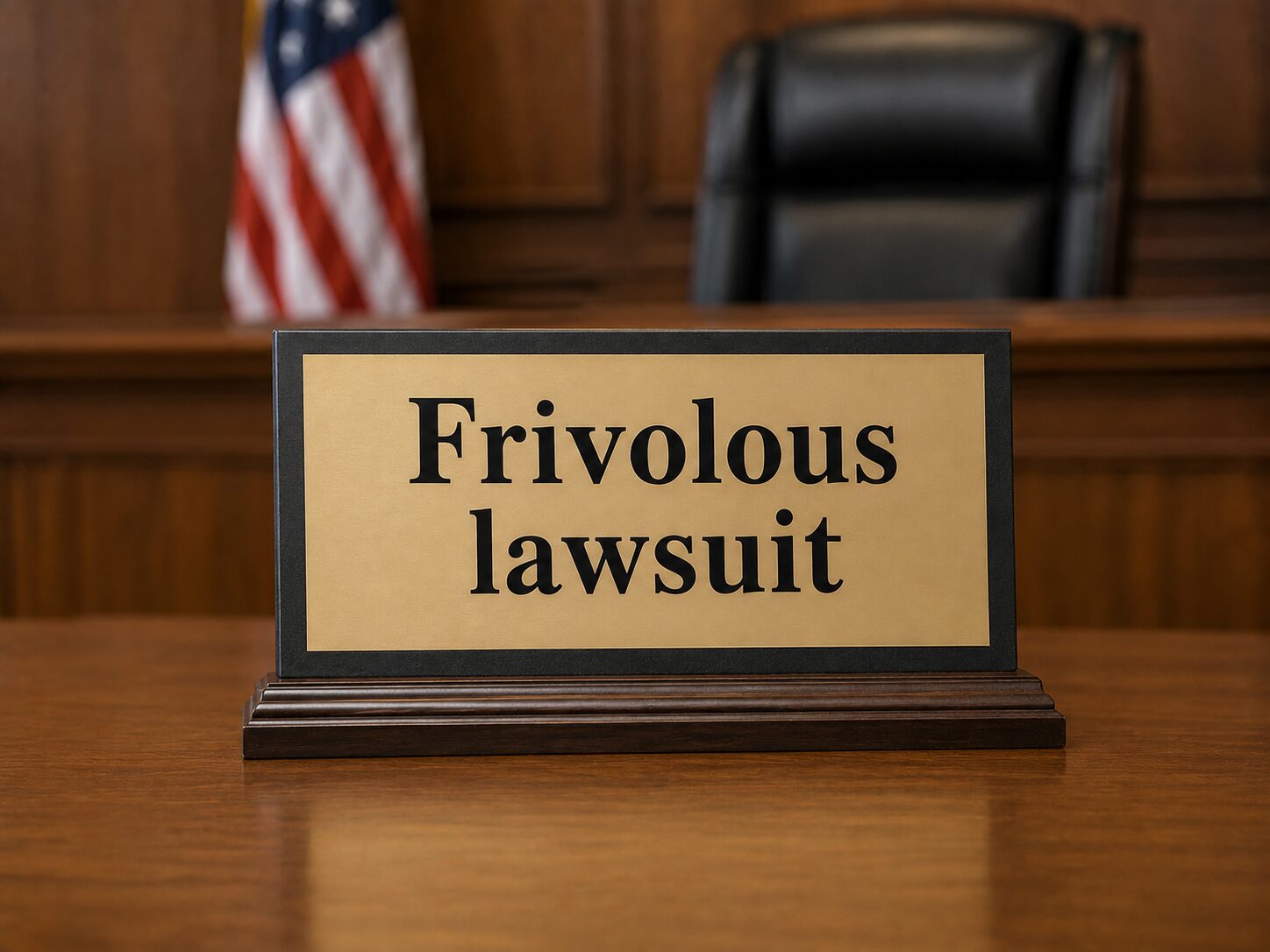
I have been litigating medical malpractice cases for almost 50 years. I began by defending doctors and hospitals. For the last 40 years, I have been representing people injured by malpractice. While I have seen some cases that lacked merit, they were few and far between. The only people who believe doctors and hospitals are the victims of large numbers of frivolous cases are the people down at the legislature who pass special laws to protect doctors and hospitals from the people they injure. And I am not even sure the legislators believe it. It may simply be that they believe in the importance of the campaign contributions the medical industry sends their way.
Medical malpractice is the third leading cause of death in the United States. A recent estimate by Johns Hopkins put the annual deaths at 250,000. Furthermore, that number does not include the non-fatal injuries, some minor but many serious, that result from medical malpractice. Even the American Medical Association admits that the number of malpractice suits is dropping and has been for many years. So where are all the malpractice suits arising out of this virtual tsunami of malpractice? Far from the courts being flooded with frivolous malpractice suits filed by greedy patients, most people who are injured by malpractice do not make a claim. There are a lot of reasons why they do not.
One of the reasons there are not more suits is that patients often do not realize they have been the victim of malpractice. Doctors and hospitals do not often tell patients that their bad outcome is the result of malpractice. The patients must figure it out on their own. Unsuspecting patients may go to their graves without ever realizing what actually happened.
Another reason there are not more suits is that people generally like their doctors and are reluctant to sue them, even when they know there has been a mistake. Lawsuits are hard, stressful and expensive and most people just don’t want to go through the experience. This is especially true if the doctor has admitted the mistake and apologized for it.
Even if a patient wants to make a claim, the patient will need a lawyer willing to represent them. Malpractice cases are complex and expensive. They require testimony from multiple expert witnesses, each of whom usually charges in excess of $500 per hour. Good malpractice lawyers won’t take a case in which the likely recovery will not be enough to support the expense and risk of the case. This usually means that only those patients who are seriously injured by obvious malpractice are going to be able to find a good malpractice lawyer to represent them. Those cases I have seen that I would describe as having little or no merit were almost always brought by inexperienced lawyers who did not know what they were doing.
A related reason for the declining number of malpractice cases in spite of the rising amount of malpractice is the fact that the laws in most states favor the doctors who injure patients over the patients whom they injure. Most states have special rules created by the legislature that apply only in malpractice cases and which make it more difficult for patients to be successful or limits the amount they can recover, if they are somehow able to be successful.
Doctors and hospitals have been successful in stacking the deck in their favor. In spite of this, they do get sued from time to time and, when they do, it is usually because of a serious injury or death. Maybe instead of complaining about allegedly frivolous lawsuits, they ought to spend more time and effort reducing the amount of malpractice.



