

A few weeks ago, a dear friend and close relative of my wife woke up one morning to find herself becoming paralyzed below the waist. Her husband took her to the hospital where doctors struggled to figure out what was going on. Almost all of the diagnoses they entertained involved some component of autoimmunity. In autoimmune diseases, the body’s immune system goes haywire and attacks healthy organs or systems. The final working diagnosis was Neuromyelitis Optica, an autoimmune disease with a spectrum of presentations. Her immune system was attacking her spinal cord.
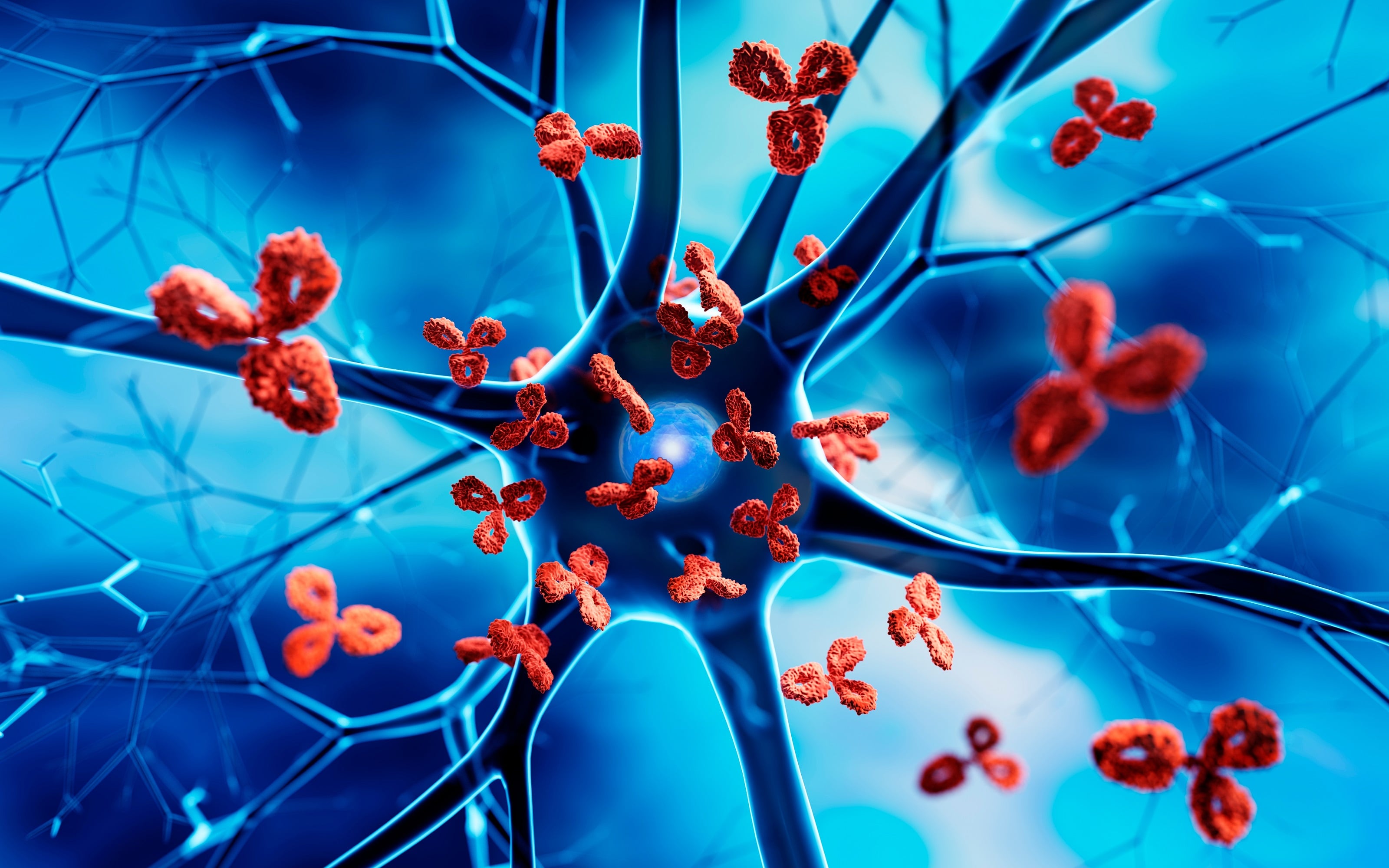
There are over 80 different autoimmune diseases. Some are well-known, such as Type 1 diabetes and rheumatoid arthritis. Some, such as Neuromyelitis Optica, are much less well-known. It is estimated that close to 10% of the population of the developed world has some form of autoimmune disease. Individually, however, any single autoimmune disease is relatively rare, which makes research into it and treatment of it, more difficult.
The cause of autoimmune diseases is not well-understood. The evidence is strong that there are components of genetic predisposition as well as environmental factors involved. One other thing that is known is that the incidence of autoimmune diseases is rising faster than can be explained by genetic predisposition alone.
One potential explanation for the increase of autoimmune diseases in the developed world is called the “Hygiene Hypothesis.” The essential point of the hypothesis is that our immune systems, which developed over millions of years to deal with threats posed by waves of bacteria, viruses and fungi, are now sitting relatively idle as a result of our insistence on an environment free of germs. As the old saying goes, “Idle hands are the devil’s workshop.” Speculation is that the bored immune system, with nothing else to do, goes off the rails and confuses our bodies’ healthy tissue with an alien invader, which must be repulsed at all costs.
Another part of the “Hygienc Hypothesis” postulates that we are being separated from the good bacteria, viruses, and fungi that are an essential part of our microbiome. A healthy and diverse microbiome is believed to be an important component of a healthy body. If we are not exposed to these helpful microorganisms, the theory goes, our microbiome will not develop properly and, over time will lose whatever diversity it has managed to develop, leaving us less well and more susceptible to autoimmune diseases.
The incidence of autoimmune diseases in the United States is just over twice that of Brazil. The lower frequency of such diseases in the less-developed world is seen as evidence that, when allowed to perform its intended function, the immune system is less likely to malfunction. There is also evidence to suggest that pollutants, medications, dietary intake, stress, and viral illnesses may all be associated with a rise in autoimmune diseases, especially in people with genetic predispositions to immune system malfunctions. There is increasing evidence that Covid infections are triggering autoimmune responses in patients.
There really does not appear to be a lot we can do to prevent autoimmune diseases. The best advice is to choose your parents carefully. After that, eat healthy and try to avoid pollution and other bad environmental conditions. And don’t worry quite so much about germs in the house. They may be your friends.



